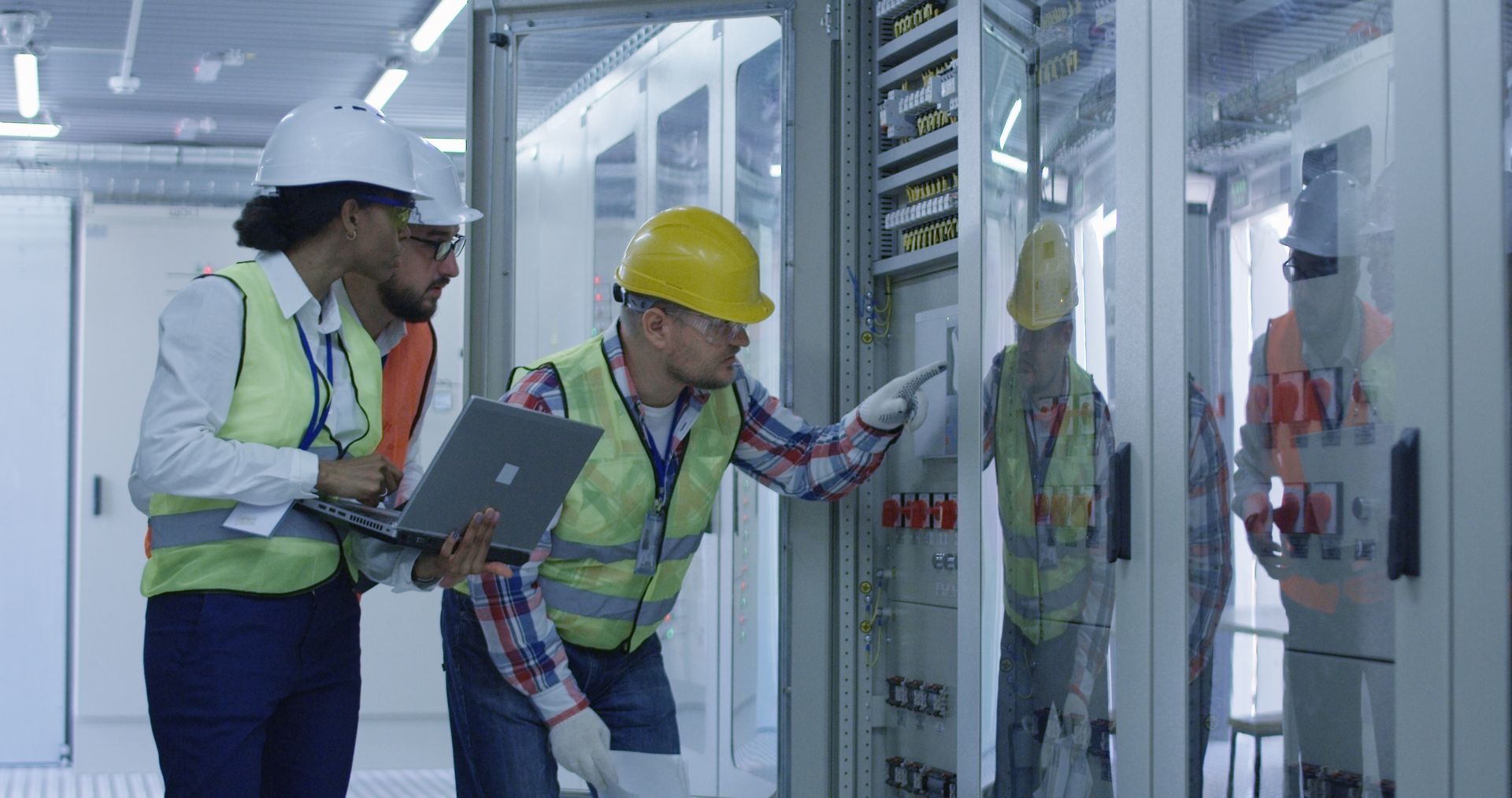
How to Choose Gas Detection Systems for Your Facility
Choosing the right gas detection systems for your facility directly affects worker safety, operational continuity, and legal compliance. Facility managers across Sydney, NSW, face increasing pressure to source solutions that match their specific risk profile, site layout, and regulatory obligations. This guide covers the key factors to consider before you buy.
Understanding the Main Types of Gas Detection Systems
Fixed, portable, and wireless gas detection systems each suit different facility types and risk scenarios.
Fixed systems are permanently installed throughout a facility and are well suited to large industrial sites, car parks, and breweries where ongoing monitoring of a known gas risk is required. They can be wired into alarms, ventilation controls, and building management systems for continuous automated protection.
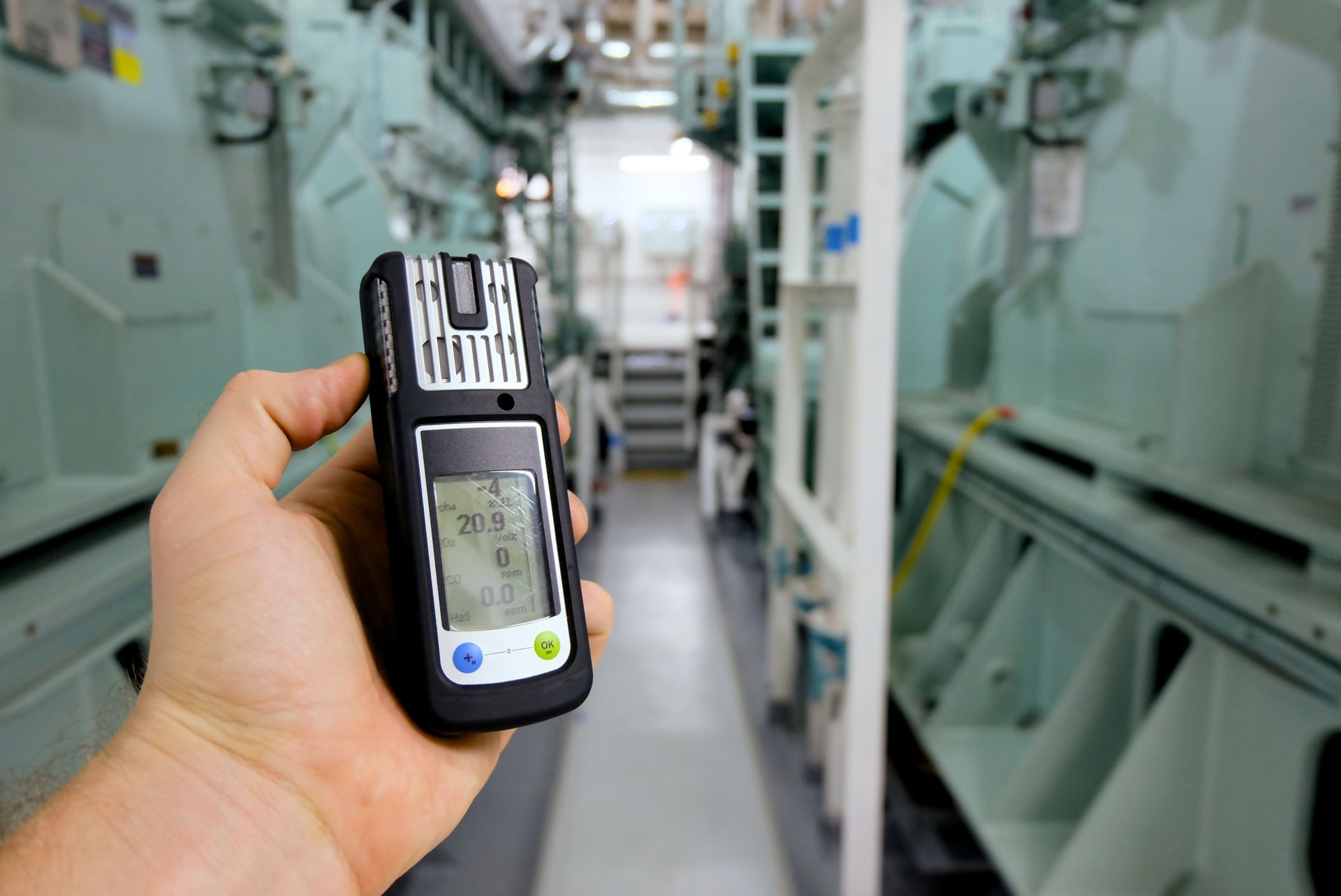
Portable detectors are handheld or clip-on units carried by workers. They are commonly used for confined space entry, maintenance tasks, and sites where workers move between zones. Units may detect a single gas or multiple gases simultaneously.
Wireless and addressable systems suit facilities where cabling is impractical. Sensors communicate via radio frequency or mesh network and can be repositioned as layouts change, making them useful across Western Sydney and Port Botany precincts with complex or heritage buildings.
Key Buying Criteria for Facility Managers
Gas type and concentration range. Confirm which gases are present before specifying any equipment. Common industrial gases include CO, CO2, H2S, CH4, O2, and VOCs. A food and beverage operation may face CO2 risks in refrigeration or fermentation areas; a laboratory may require VOC or NH3 detection.
Sensor technology. Common types include catalytic bead (flammable gases), electrochemical (toxic gases such as CO and H2S), NDIR (CO2, CH4, and refrigerants), and PID (VOCs). Each has different accuracy characteristics and sensitivity to environmental conditions. Sydney's coastal humidity can affect sensor performance, so confirm a unit's environmental ratings.
Hazardous area classification. If your facility handles flammable gases or vapours, certain zones may require detectors with Ex (explosion-proof) certification under Australian standards. Confirm area classification before specifying equipment.
Integration and outputs. Many fixed systems offer 4-20mA analogue outputs or digital protocols for integration with SCADA, building management, or process control systems. Relay outputs can trigger ventilation, shut-off valves, or evacuation alerts.
Calibration and maintenance. All gas detectors require regular calibration. Factor in the availability of calibration gases, bump test frequency, and whether your team can calibrate in-house or will need external support.
NSW Compliance and Calibration Obligations
Under the Work Health and Safety Act 2011 (NSW) and the Work Health and Safety Regulation 2025, PCBUs must manage risks from hazardous atmospheres, including identifying gas hazards and implementing appropriate controls. SafeWork NSW enforces these obligations.
Regular calibration is tied to demonstrating due diligence under WHS law. Bump testing is recommended before each use in high-risk environments, and calibration records should be maintained as part of your safety management system. Learn more about appropriate testing equipment on the
gas calibration and testing page.
Questions to Ask a Gas Detection Supplier
A reputable supplier should answer these clearly and recommend technology suited to your application rather than a one-size-fits-all solution.
- What gases does this system detect, and what are the detection ranges?
- What sensor technology is used, and what is the expected sensor lifespan?
- Is the unit certified for hazardous areas if required?
- What calibration schedule does the manufacturer recommend?
- Does the supplier provide calibration gases, accessories, and technical support?
- Can the system integrate with existing alarm or building management infrastructure?
- What warranty and after-sales service is available?
What Is the Difference Between a Fixed and a Portable Gas Detector?
Fixed detectors provide continuous, permanent monitoring. Portable units are carried by workers for personal protection or confined space entry checks.
Which Gas Detection Technologies Work Best for Industrial Facilities in Sydney?
NDIR suits CO2 and refrigerants; electrochemical suits toxic gases; catalytic bead suits flammable LEL applications. A technical supplier can confirm the right match.
Do Gas Detection Systems Need to Be Installed by a Qualified Person?
Yes. Professional installation is strongly recommended for fixed systems, and commissioning must include functional testing and calibration before entering service.
Ready to Source the Right Solution for Your Sydney Facility?
Getting gas detection right involves matching technology to hazard, meeting your NSW compliance obligations, and building in a reliable calibration programme from day one.
Anri Instruments & Controls serves Sydney facilities with a comprehensive range of gas detection systems, calibration equipment, and gas sensors backed by over 40 years of instrumentation expertise.
Explore the full gas detection range to see available solutions, or get in touch to discuss your specific requirements. Call 03 9752 3782 to speak with a technical specialist, or find Anri Instruments & Controls on Google to read reviews and confirm business details.