How to Choose the Right Gas Leak Detectors for Your Industry: A 2026 Buyer's Guide
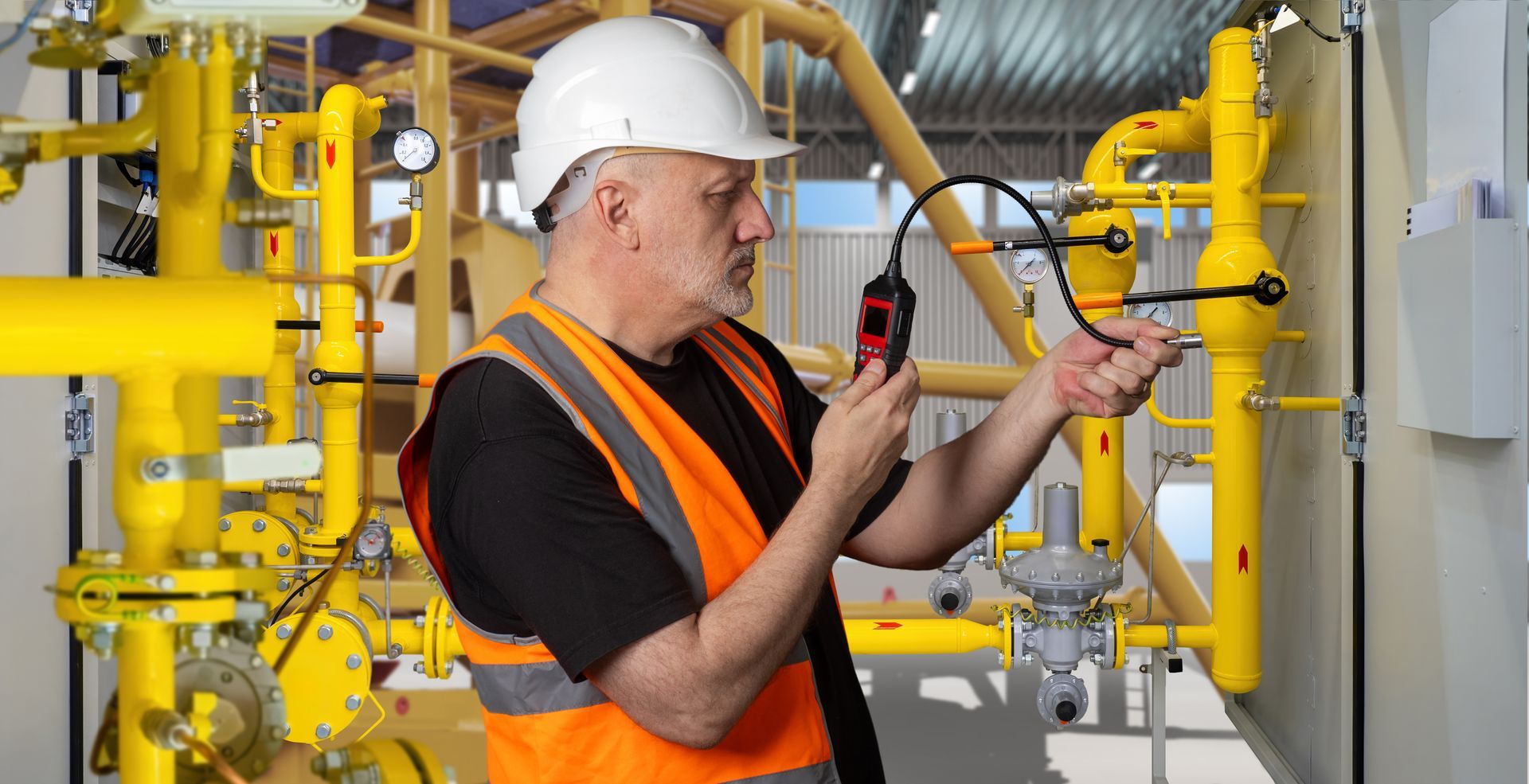
Choosing the right gas leak detector depends on your target gas, sensor technology, deployment format, and whether your operation must meet Australian Standards for safety compliance.
Understanding Sensor Technology: Which Type Do You Need?
Electrochemical sensors are the go-to choice for toxic gases such as CO, H2S, SO2, and NH3. They produce a measurable electrical current when the target gas reacts with an internal electrolyte, achieving parts-per-million (ppm) accuracy. Cells typically require replacement every one to three years.
Catalytic bead (pellistor) sensors detect flammable gases below the Lower Explosive Limit (LEL) by measuring heat released during combustion. They are rugged and cost-effective but can be poisoned by silicones and lead compounds.
Non-Dispersive Infrared (NDIR) sensors identify gas molecules by infrared light absorption. Well suited to CO2, CH4, and refrigerant detection, NDIR technology offers excellent long-term stability and resistance to poisoning, making it a strong option for cold stores and commercial HVAC plant rooms.
Portable vs Fixed vs Multi-Gas: Matching Format to Function
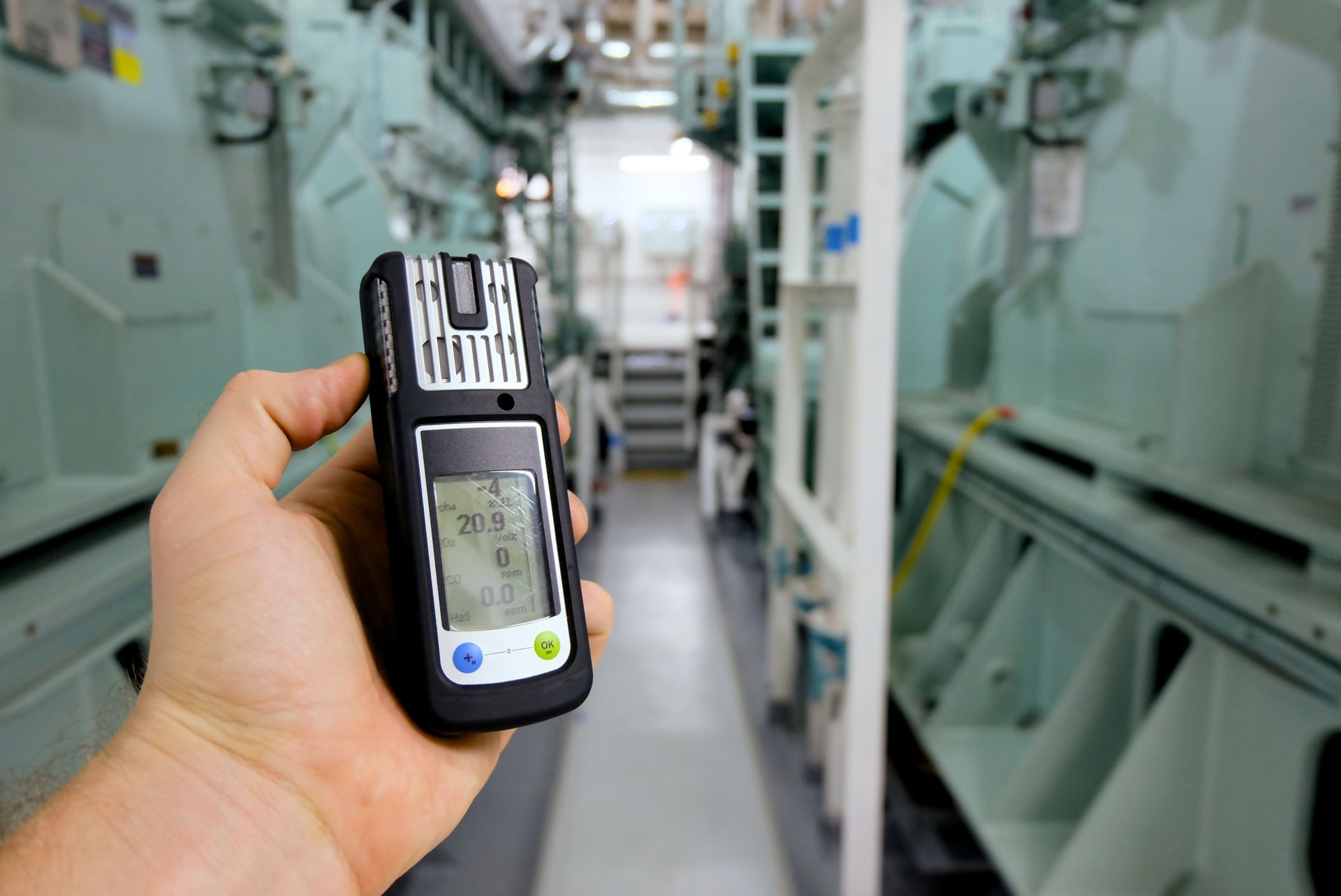
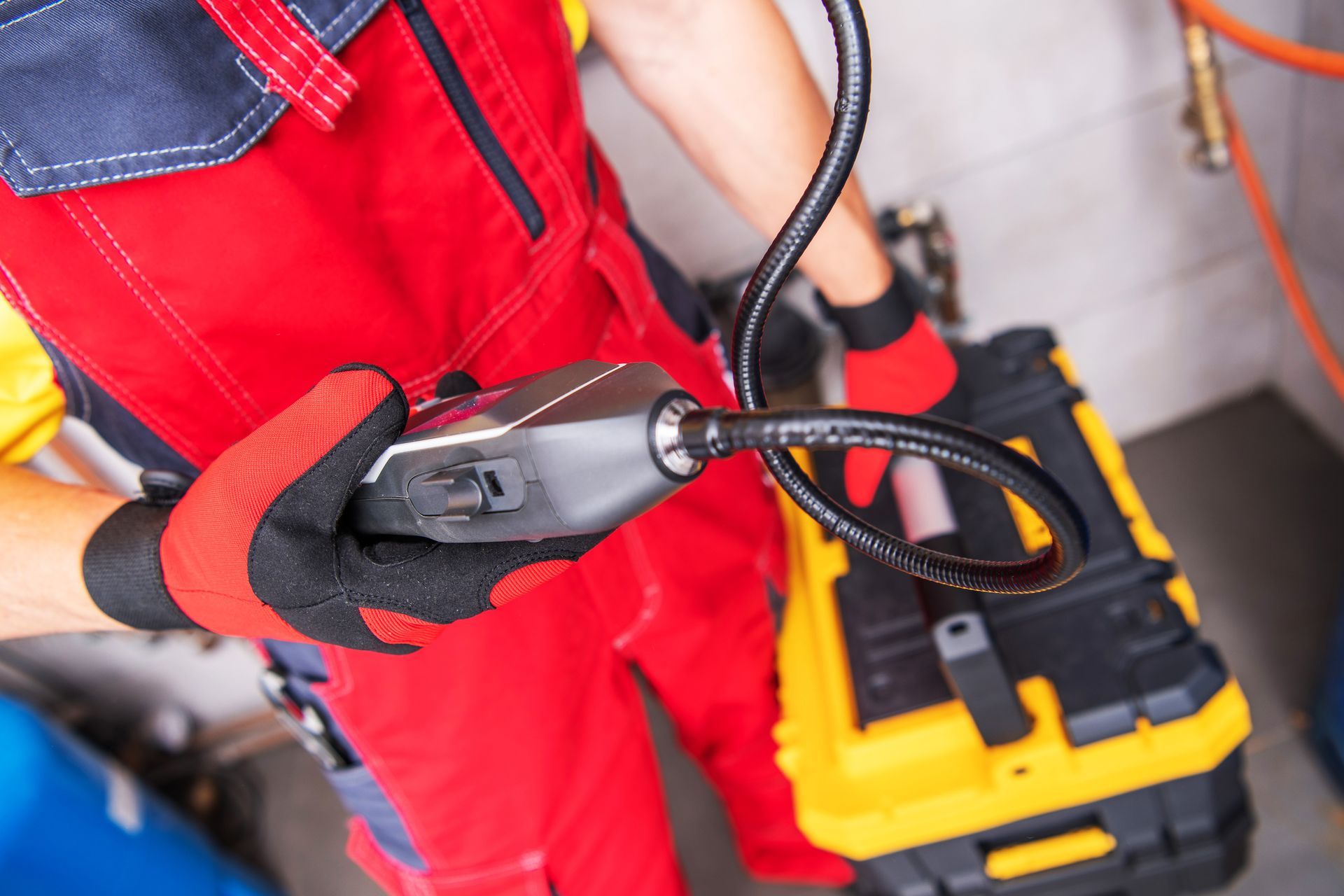
- Portable single-gas detectors suit confined space entry, maintenance personnel, and first responders who move between locations.
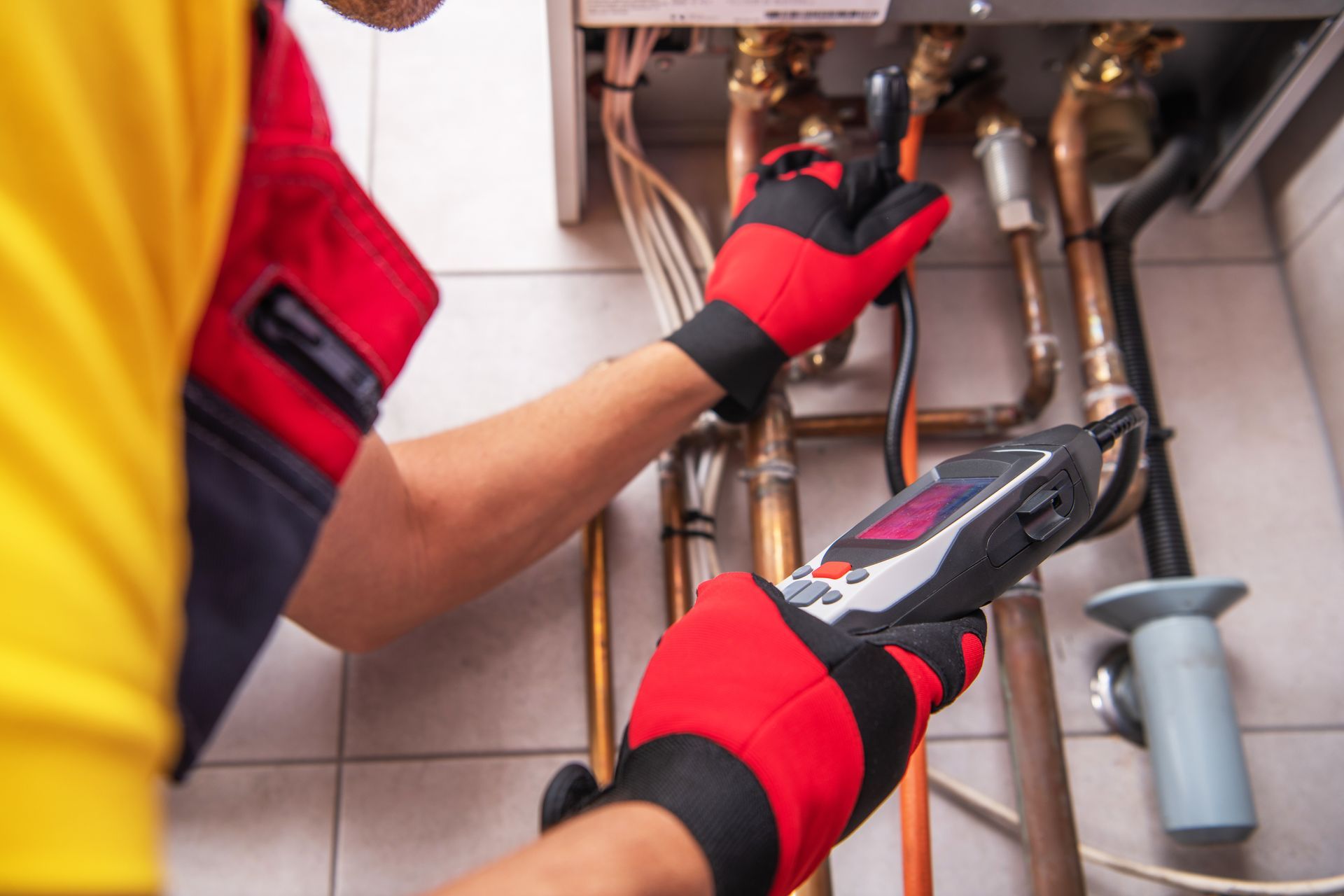
- Portable multi-gas detectors measure several hazards simultaneously and are popular on complex industrial sites and construction projects in Western Sydney.
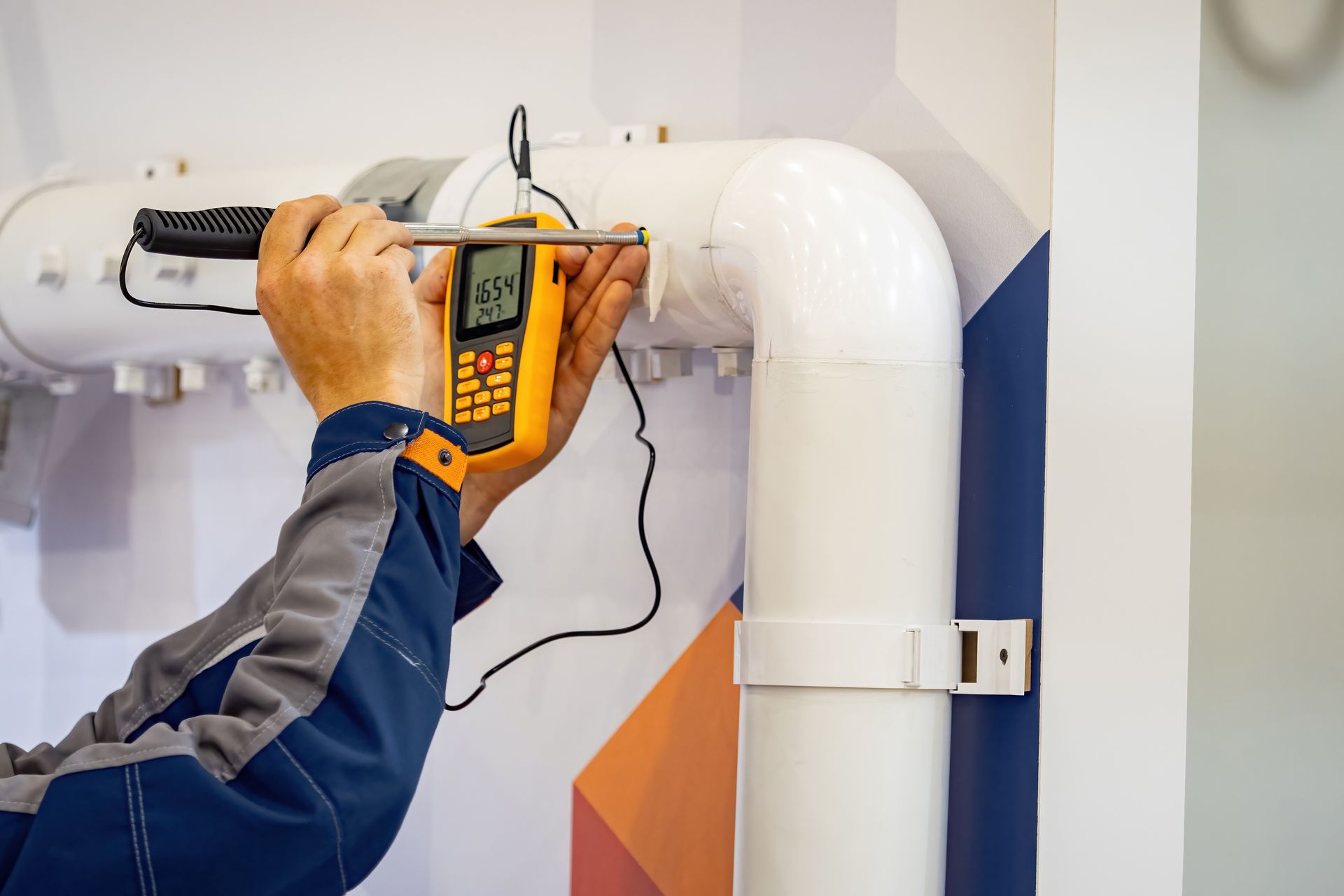
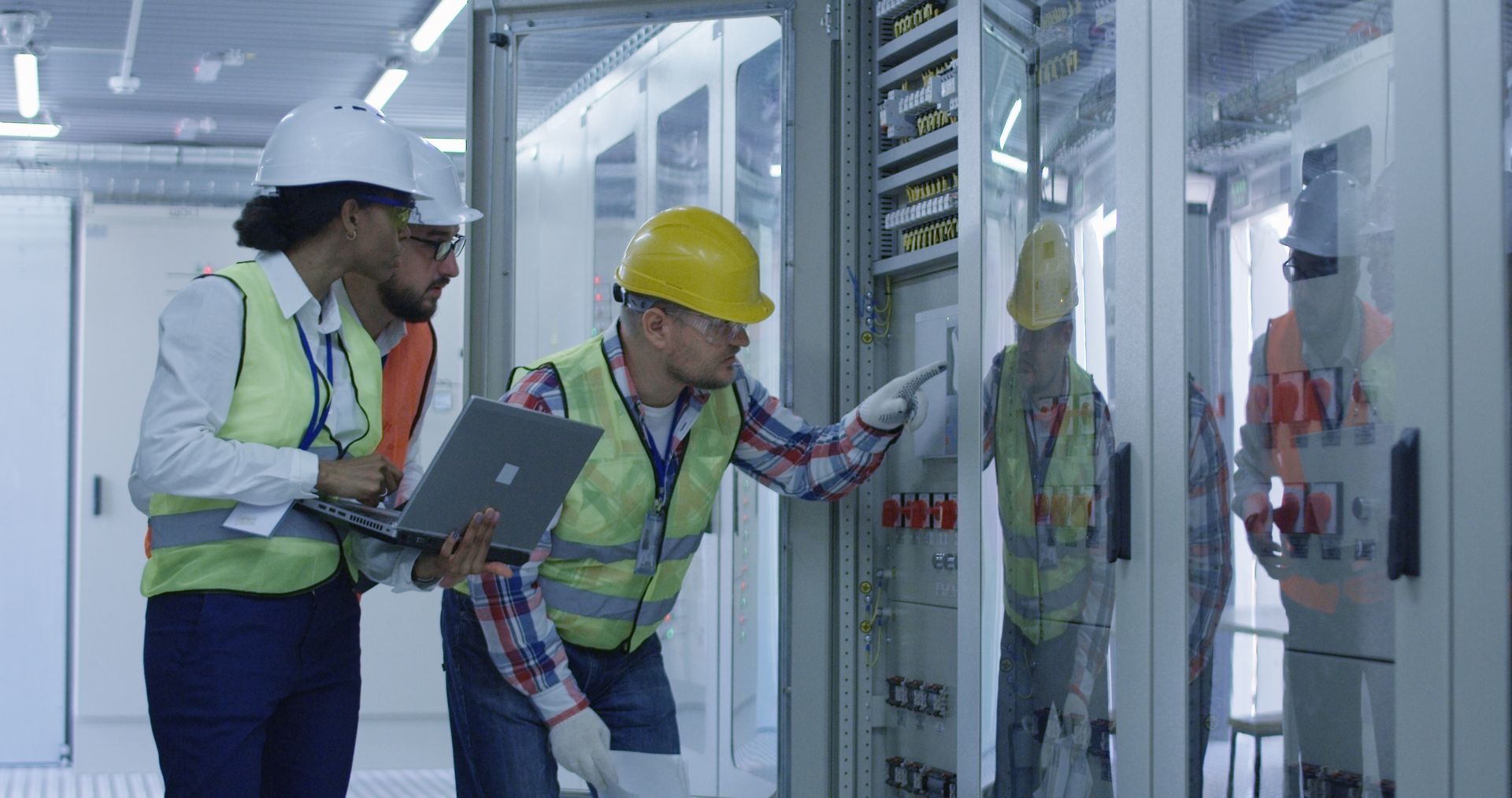
- Fixed-point detectors are permanently installed at known risk points and feed into central control panels for continuous 24/7 monitoring.
- Multi-point sample-draw systems pull gas from multiple locations to a single analyser, well suited to laboratories and large food processing facilities in the Parramatta and Wetherill Park corridors.
Industry-Specific Requirements Across Key Sydney Sectors
Mining and utilities operations often require intrinsically safe (Ex-rated) equipment certified for explosive atmospheres. Catalytic bead and NDIR instruments in IECEx or Ex d enclosures may be mandatory.
Food and beverage processing facilities commonly use CO2 for modified atmosphere packaging and refrigeration. Fixed NDIR CO2 detectors at low-level locations provide early warning before concentrations become dangerous in enclosed cool rooms.
Laboratories and research institutions handle a wide range of gases at low concentrations. High-sensitivity electrochemical and NDIR sensors, along with photoionisation detectors (PID) for VOCs, are commonly specified.
Australian Standards and Certification Checklist
Before purchasing gas leak detectors, verify these compliance points:
- The detector meets AS/NZS 4641 (electrochemical sensors) or AS/NZS 60079 (explosive atmospheres) where relevant.
- The instrument carries a current calibration certificate traceable to National Measurement Institute (NMI) standards.
- Intrinsically safe models are IECEx or ATEX certified if used in classified hazardous zones.
- The supplier can provide ongoing calibration and service support within Australia.
Explore the full
gas detectors range for Sydney, NSW to see options that meet these criteria.
How Often Should Gas Leak Detectors Be Calibrated?
Bump testing before each use is recommended in high-risk environments. Full calibration against a certified reference gas mixture is typically required every three to six months, or more frequently in harsh conditions. Refer to your manufacturer's specifications and the relevant Australian Standard for your industry.
What Is the Difference Between an Electrochemical and a Catalytic Bead Sensor?
An electrochemical sensor detects toxic gases by generating a small current during a chemical reaction, achieving ppm-level accuracy. A catalytic bead sensor detects flammable gases by measuring combustion heat, expressed as a percentage of LEL.
Can One Detector Cover Multiple Gases?
Yes. Multi-gas portable detectors combine electrochemical cells for toxic gases with a catalytic bead or NDIR sensor for flammables and oxygen. Confirm the sensor combination matches your specific site hazards before purchasing.
Talk to an Expert Serving Sydney
Anri Instruments & Controls has over 40 years of experience supplying gas detection, calibration, and monitoring solutions across Sydney, NSW. Contact us to discuss your requirements, or call 03 9752 3782 to speak with a technical specialist today.