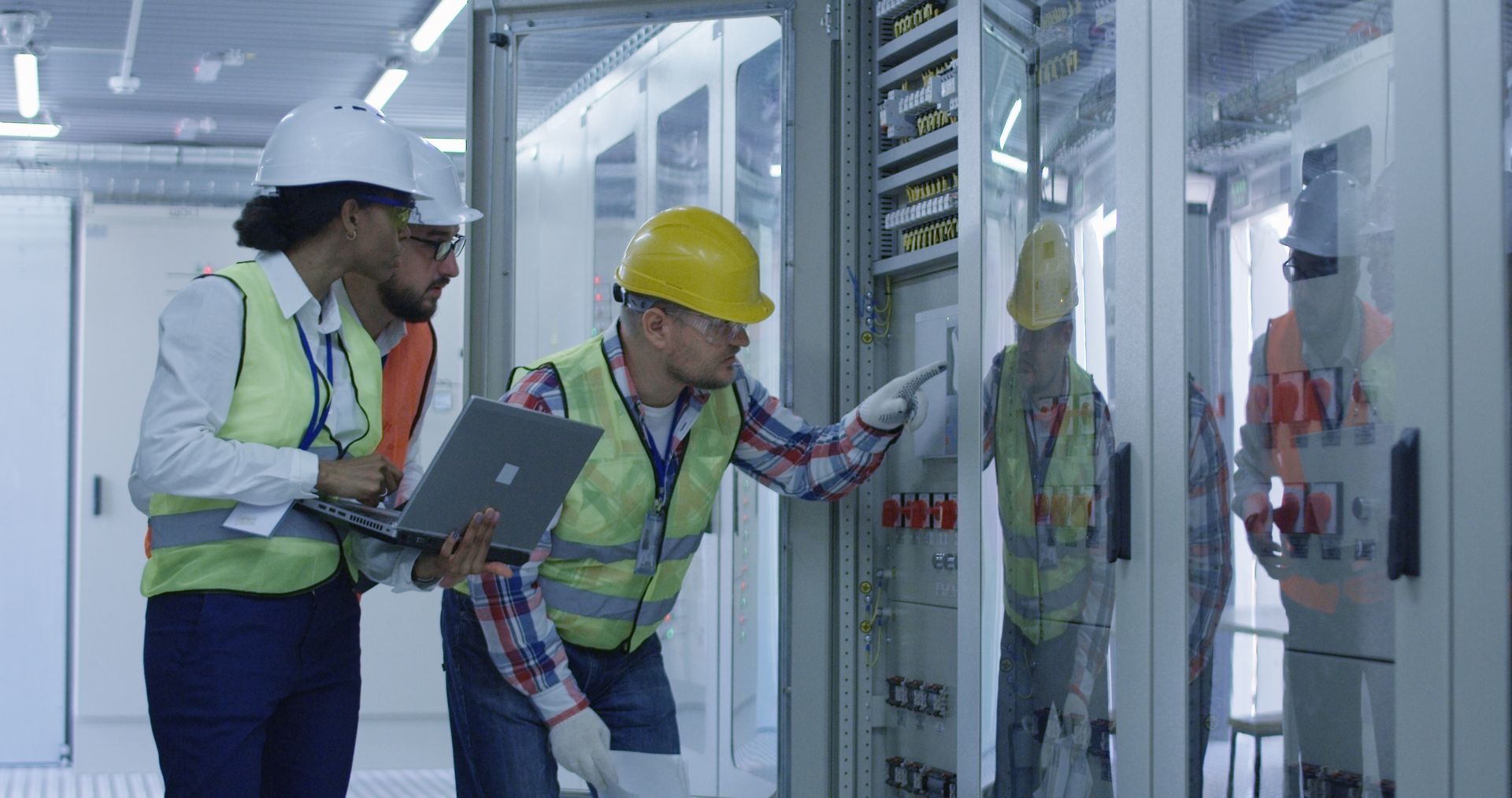
Fixed vs Portable Gas Detectors: What Businesses Need to Know
Choosing the right gas detection equipment directly impacts worker safety, regulatory compliance, and operational efficiency for businesses across Melbourne, VIC.
Gas detectors fall into two broad categories: fixed systems and portable devices. Understanding how each works, and which suits your operation, helps you make a confident, informed decision.
How Fixed Gas Detectors Work
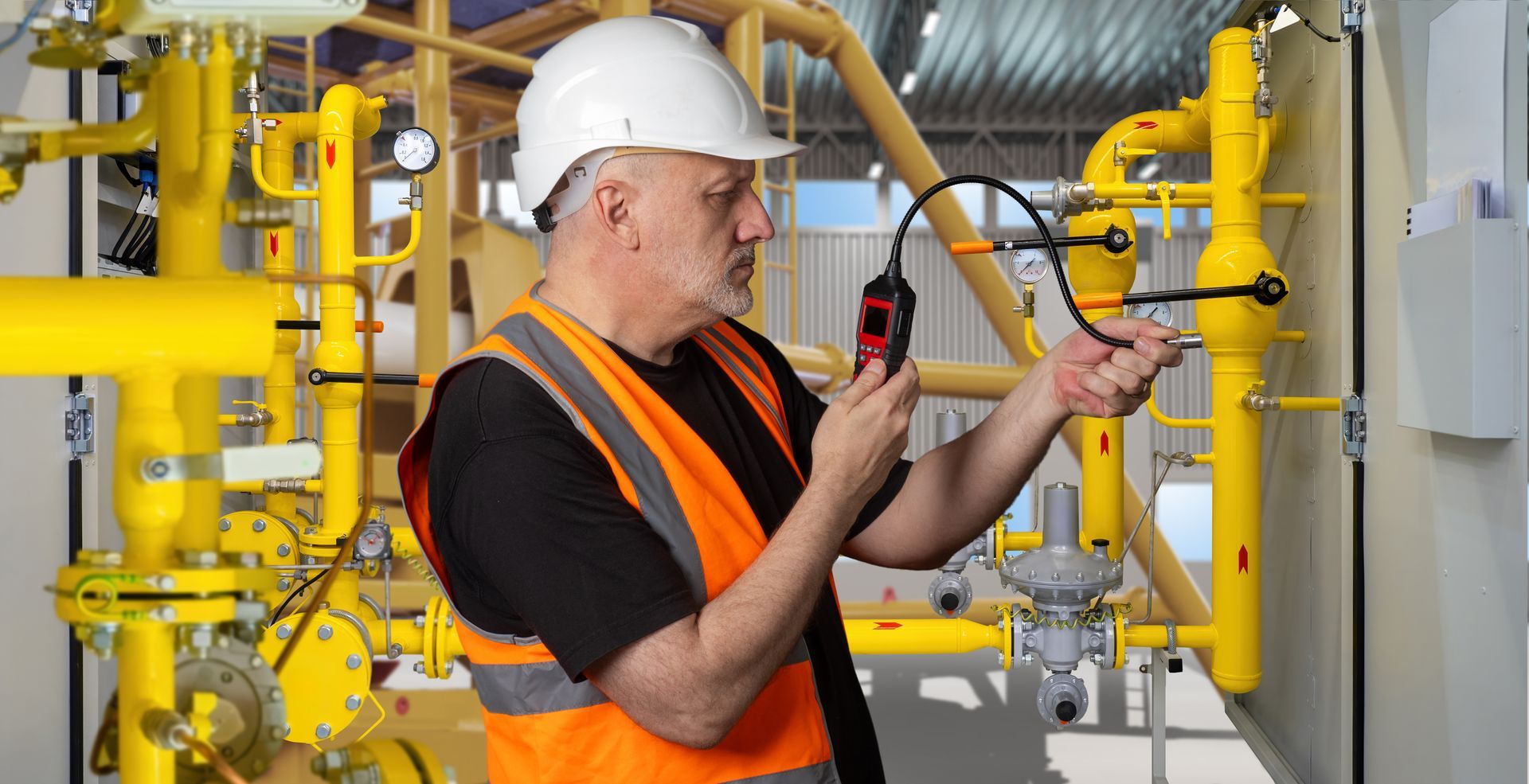
Fixed gas detectors provide continuous, around-the-clock monitoring at set locations. These systems are permanently installed throughout a facility, such as near storage tanks, processing lines, or confined spaces, and connect to a central control panel that can trigger alarms, ventilation systems, or automated shutoffs when a threshold is exceeded.
Fixed systems suit sites where gas hazards are predictable and persistent. They are typically used in manufacturing plants, chemical processing facilities, wastewater treatment sites, biogas installations, commercial kitchens, refrigeration plant rooms, and industrial laboratories.
How Portable Gas Detectors Work
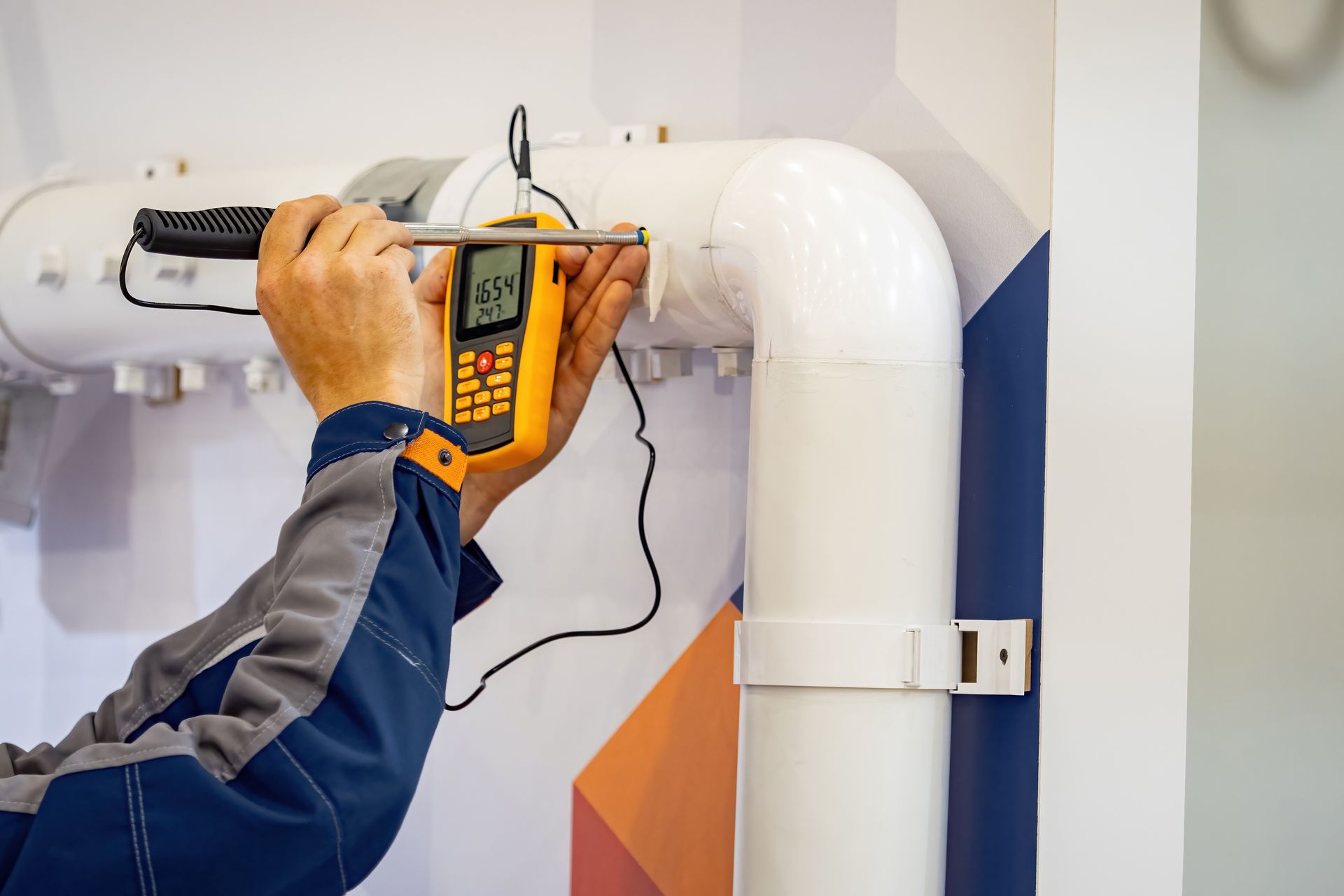
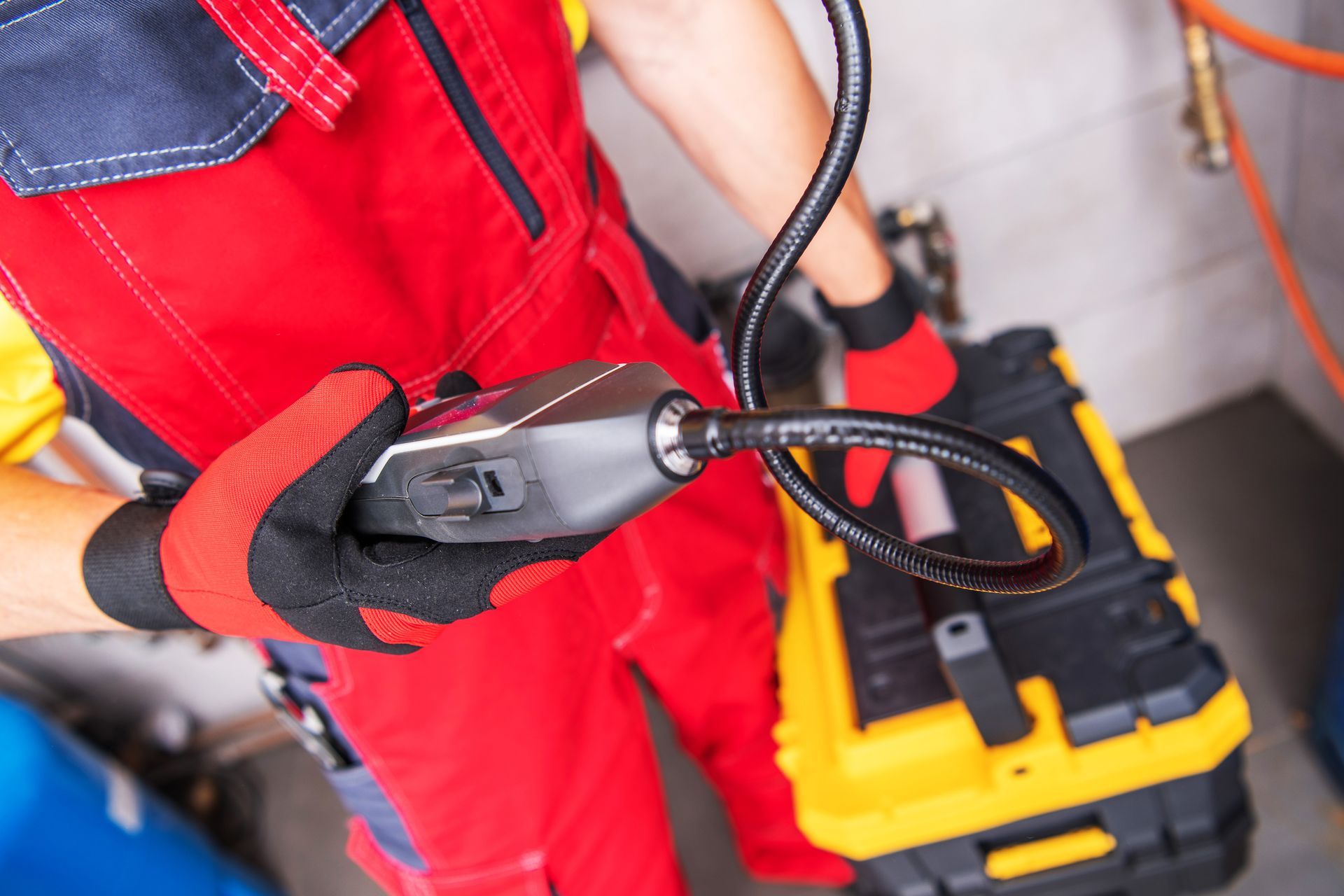
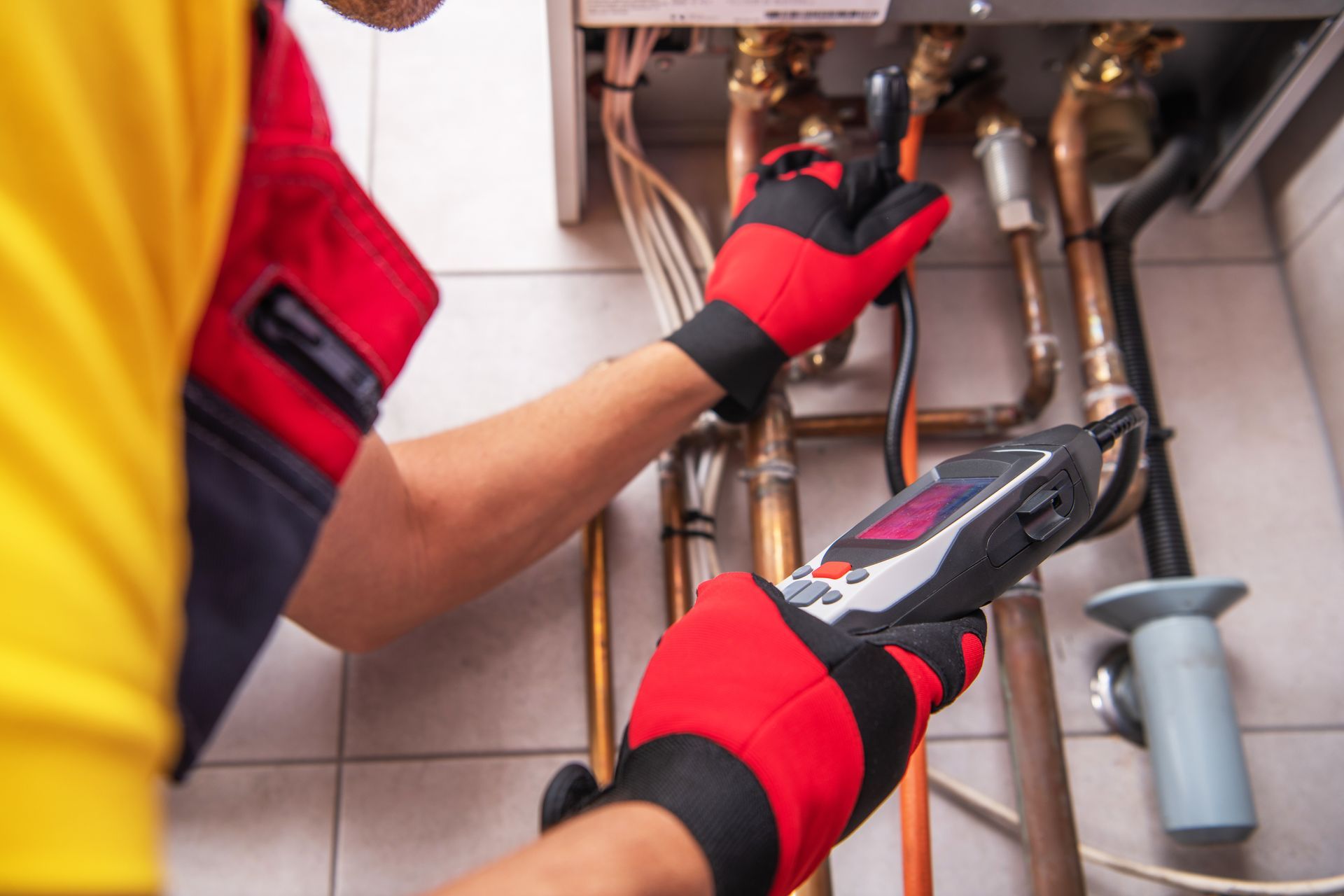
Portable gas detectors are handheld or worn devices that workers carry into different areas as needed. Units typically clip to a belt or vest and alert the user through audible, visual, or vibration alarms when gas concentrations reach a set level.
Portable detectors are ideal for confined space entry, field inspections, pipeline patrols, emergency response, spot-checking before entry, and any situation where workers move between locations on a shift. They offer flexibility that fixed systems cannot match and can be reassigned between team members as operational needs change.
Comparing Fixed and Portable Systems for Melbourne Businesses
Many Melbourne businesses use both types as part of a complete safety programme. The choice comes down to the nature of your hazard, your facility layout, and your compliance obligations.
Fixed detectors may suit you if your facility has defined high-risk zones requiring 24-hour monitoring, if workers cannot always carry personal equipment, or if you need to integrate detection into automated control systems or SCADA networks.
Portable detectors may suit you if workers move regularly between zones or sites, if tasks in hazardous spaces are infrequent or short-duration, or if you need a cost-effective solution for a smaller or lower-risk environment.
Melbourne's diverse industrial base, spanning the south-eastern manufacturing corridor, the Port of Melbourne precinct, and the food and beverage sector in the western suburbs, means gas detection needs vary significantly. Suppliers of gas detection in Melbourne, VIC should be able to advise on solutions that reflect the specific conditions of your site.
Melbourne Compliance Considerations
Victorian businesses have clear obligations around gas monitoring. AS/NZS 60079.29.2 provides guidelines for selecting, installing, using, and maintaining gas detection equipment, particularly in potentially explosive atmospheres, and supports your obligations under Victorian occupational health and safety law.
WorkSafe Victoria conducts targeted inspections across Melbourne, with offices in Narre Warren, Mulgrave, and Essendon Fields. Maintaining a calibration log is considered evidence of due diligence. Upcoming changes to Workplace Exposure Limits, effective December 2026, are tightening acceptable concentration limits for a number of substances, meaning sensor drift could result in non-compliance.
Most manufacturers recommend full calibration at least every six months, supported by daily bump tests. Whether your detectors are fixed or portable, a structured maintenance schedule is essential. More information on
calibration and testing is available on our page.
What About Sensor Technology?
Both fixed and portable detectors use a range of sensor technologies depending on the gas being monitored. Common options include catalytic, electrochemical, NDIR, PID, and metal oxide sensors. The gas type, concentration range, environmental conditions, and required response time all influence the right choice.
NDIR sensors are often used for CO2, CH4, and refrigerant monitoring, while electrochemical sensors are common for toxic gases such as CO and H2S. Selecting the right sensor matters as much as selecting the right form factor.
Can a Business Use Both Fixed and Portable Gas Detectors at the Same Site?
Yes. Fixed detectors monitor permanently hazardous zones while portable units cover maintenance tasks, confined space entry, and occasionally at-risk areas.
How Often Do Gas Detectors Need to Be Calibrated?
Most manufacturers recommend full calibration every six months and bump tests before each use. Victorian worksites must maintain calibration records for WorkSafe inspections.
Which Industries in Melbourne Most Commonly Use Fixed Gas Detection Systems?
Manufacturing, wastewater treatment, food and beverage, pharmaceutical production, and facilities handling refrigerants or flammable gases most commonly rely on fixed detection.
Talk to the Experts Serving Melbourne Businesses
Anri Instruments & Controls has over 40 years of experience in gas instrumentation for research, process, safety, and environmental monitoring, supplying fixed and portable gas detectors across a wide range of sectors. Its technical team can recommend the right equipment for your application, whether you need a single portable unit or a complete fixed detection network.
To discuss your requirements, contact the team, or call 03 9752 3782 during business hours. You can also find Anri Instruments & Controls on Google to read reviews and get directions.