How to Choose the Right Gas Leak Detector for Your Workplace or Facility
Selecting the right gas leak detector can be the difference between a safe facility and a serious incident. Across Sydney, NSW, facilities in manufacturing, hospitality, construction, and utilities all face exposure to gases that can cause fire, explosion, or toxic harm. This guide covers the core detector types, commonly monitored gases, and the key factors to weigh before purchasing.
Understanding the Core Types of Gas Leak Detectors
Fixed detectors are permanently installed at locations with a known, consistent gas risk, such as plant rooms, boiler areas, or commercial kitchens. They can be wired into building management systems to trigger automated responses like ventilation shutoffs or alarms.
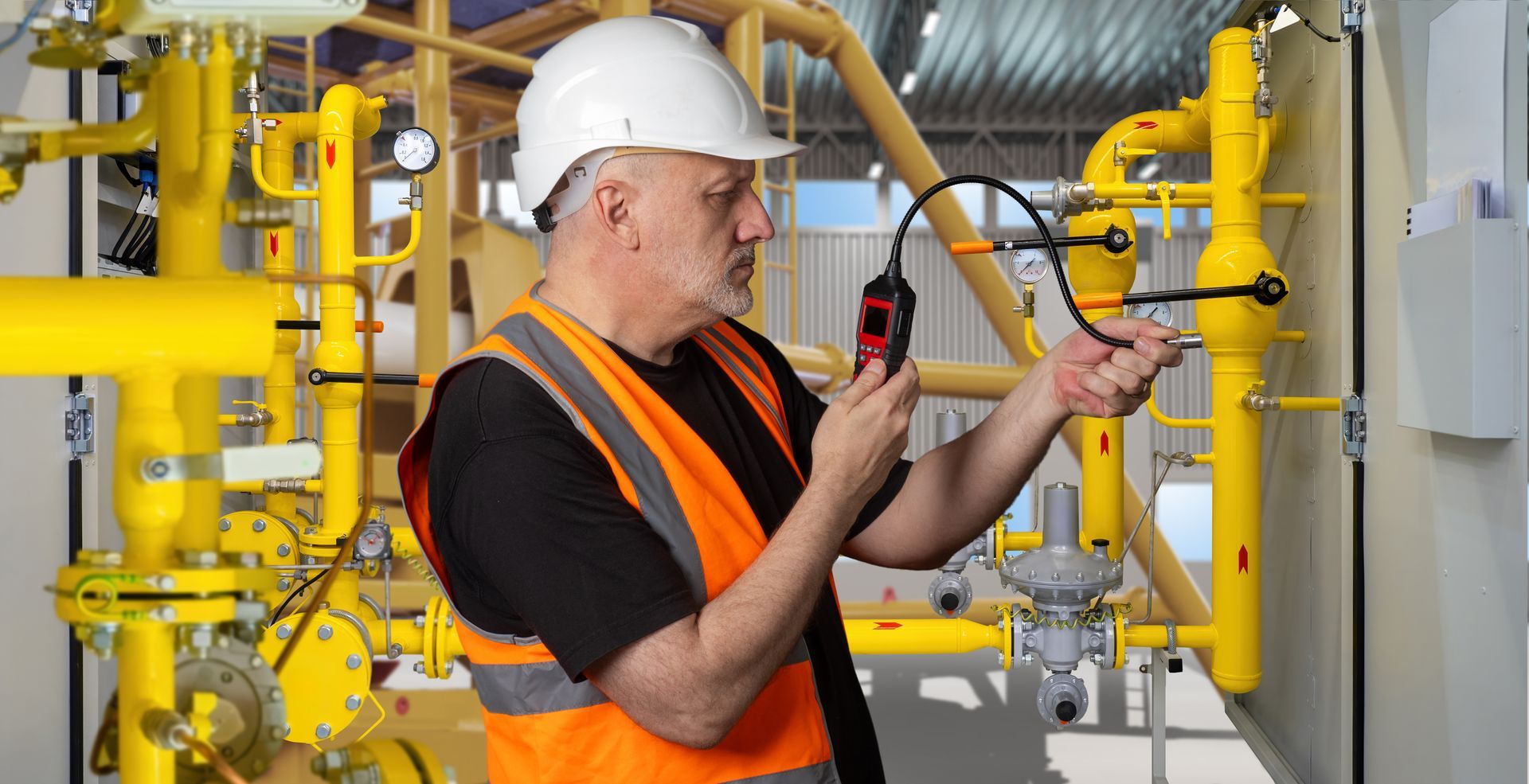
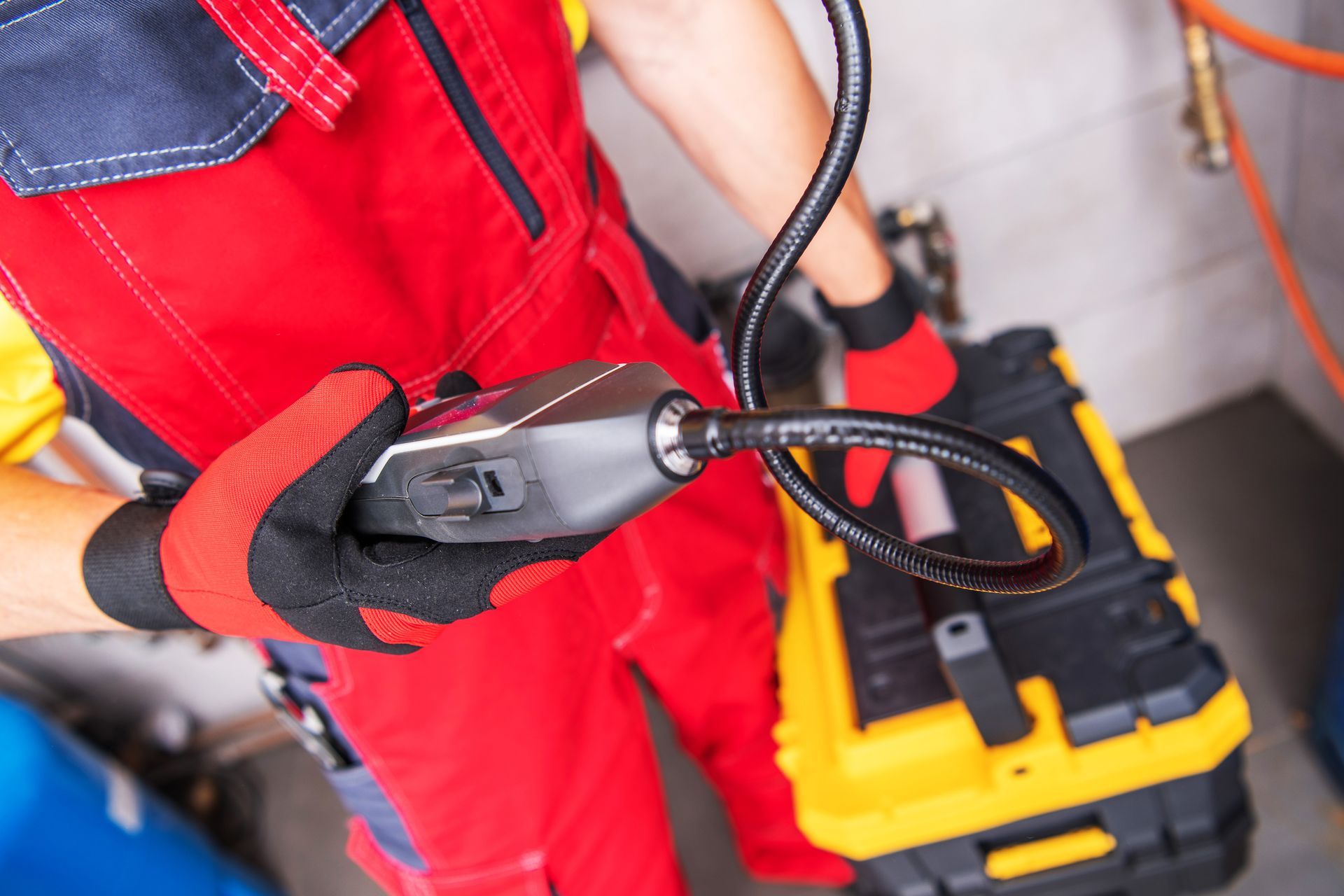
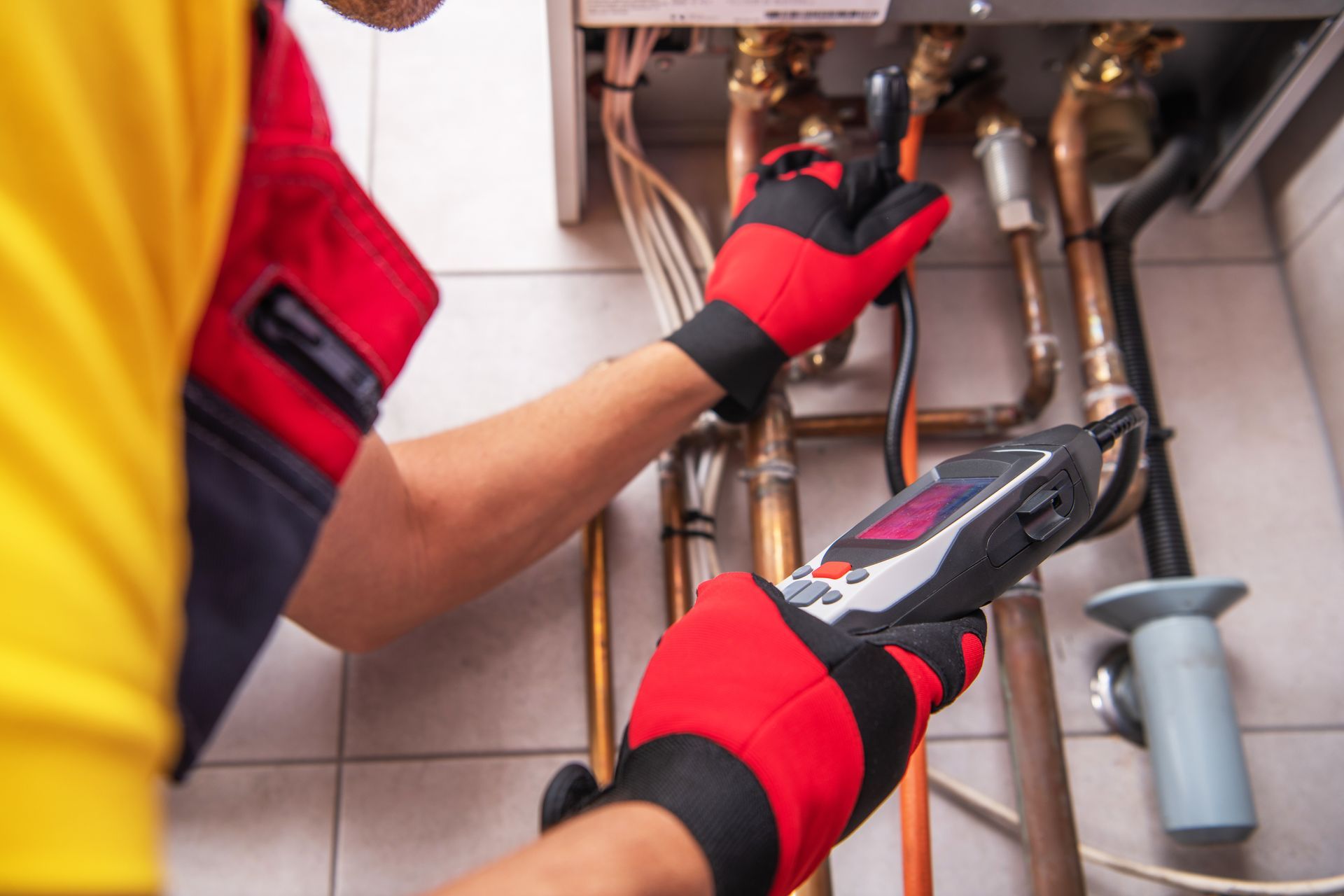
Portable gas detectors are handheld or wearable devices carried into potentially hazardous zones. They suit confined-space entry, maintenance tasks, and emergency response where the risk location changes. Workers in Sydney's construction, utilities, and wastewater sectors rely on them for personal protection.
Single-gas detectors monitor one target gas. They are compact, simple, and cost-effective when a facility has a clearly defined single hazard, such as carbon monoxide in a parking garage or hydrogen sulphide in a sewage treatment plant.
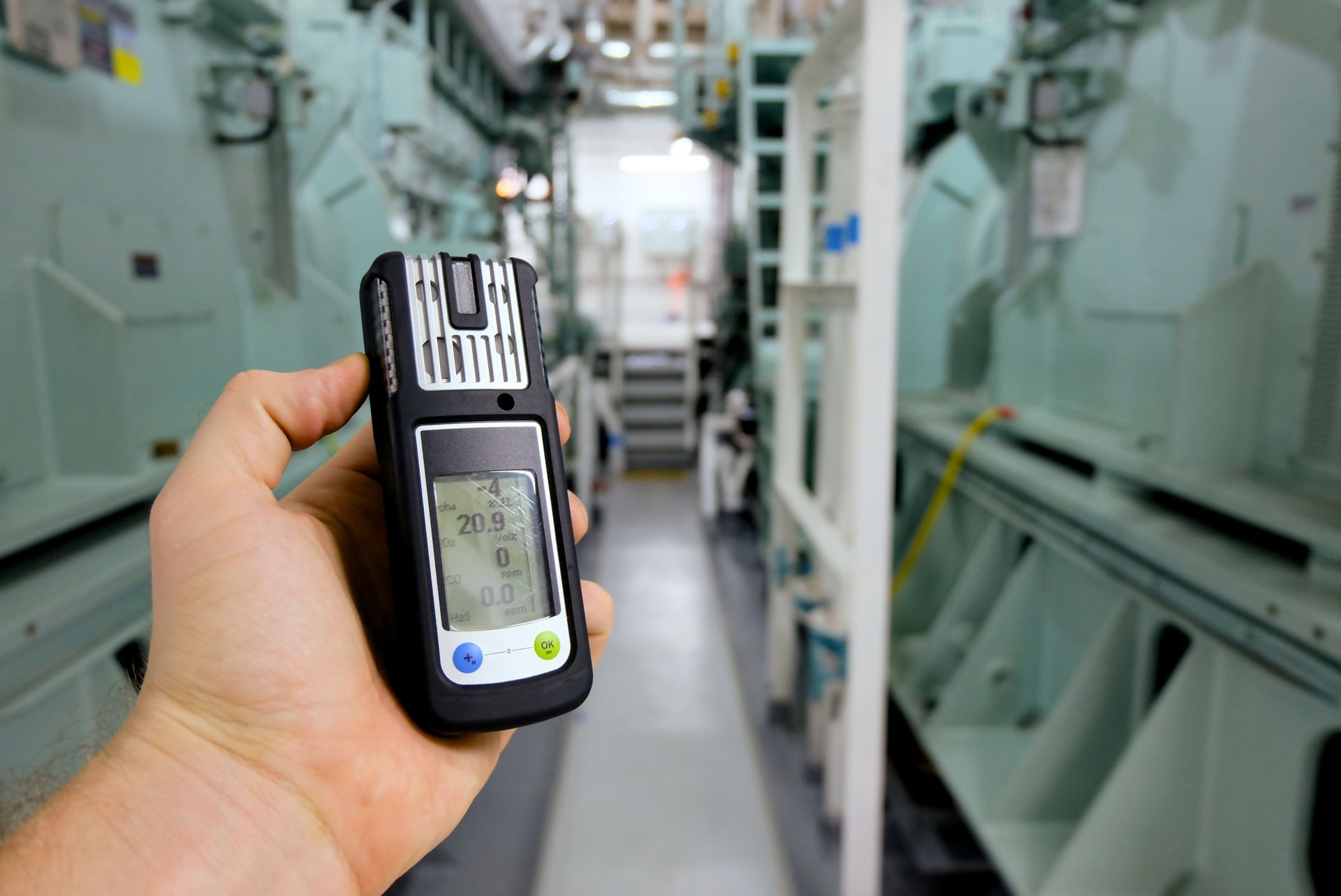
Multi-gas detectors simultaneously monitor several gases and are the preferred choice for confined-space entry and complex industrial environments where workers may encounter oxygen depletion alongside combustible or toxic gases.
What Gases Should Sydney Facilities Monitor?
Natural gas and LPG are the primary combustion risks in commercial kitchens, hotels, and light manufacturing. Carbon monoxide is a colourless, odourless toxic gas that poses serious risk in enclosed spaces with combustion appliances or vehicle exhausts. Hydrogen sulphide is a key hazard in wastewater, food processing, and chemical environments. Oxygen depletion is critical to monitor during confined space entry, where inert gases can displace breathable air without warning.
Key Criteria for Choosing the Right Detector
Sensor technology determines detection capability. Electrochemical sensors suit toxic gases such as CO and H2S. Catalytic bead sensors are commonly used for flammable gases like natural gas and LPG. Infrared sensors may suit environments where sensor poisoning is a concern, such as facilities handling silicone compounds or heavy solvents.
Detection range and response time matter in fast-moving hazardous scenarios. A slow response may not alarm quickly enough during a confined-space incident.
Alarm output types should match your site's warning systems, including audible buzzers, visual LED alarms, vibration alerts for noisy environments, and relay outputs for automated systems.
IP rating is important for outdoor or harsh indoor environments. A higher IP rating indicates better resistance to dust and moisture, which is relevant for Sydney facilities in humid coastal or wet industrial conditions.
What Australian Standards Apply to Gas Detection in NSW Workplaces?
NSW workplaces are governed by the Work Health and Safety Act, Safe Work Australia's Codes of Practice, and relevant AS/NZS standards. AS/NZS 60079.29.1 covers performance requirements for flammable gas detectors. AS/NZS 60079.29.2 provides guidelines for selection, installation, use, and maintenance in potentially explosive atmospheres. AS/NZS 4641 applies to equipment detecting oxygen and toxic gases. Confined-space entry requirements under AS 2865-2009 also specify that gas monitors be maintained per AS/NZS 60079. Bump testing before each day of use is strongly recommended under these frameworks.
Ready to Find the Right Gas Leak Detector for Your Facility?
Anri Instruments & Controls serves Sydney, NSW, with a comprehensive range of gas detection solutions for commercial and industrial facilities.
Get in touch via the contact page to speak with a technician. You can also explore the full
gas detection range to see available instruments. Find
Anri Instruments & Controls on Google Maps.